Staining Sets: Scientific Developments and Applications
We look at the application areas and technological development of specialized stains and staining sets used in andrology, bacteriology, pathology, parasitology, and cytology laboratories.
Andrology, bacteriology, microbiology, pathology, parasitology, and cytology laboratories are disciplines that play an important role in various biomedical fields. These laboratories need specialized stains and staining sets, particularly for cellular and microbiological analyses. This article focuses on the specialized stains and staining sets manufactured by a company operating in this field to meet laboratories' needs.
Andrology and Microbiology Stains
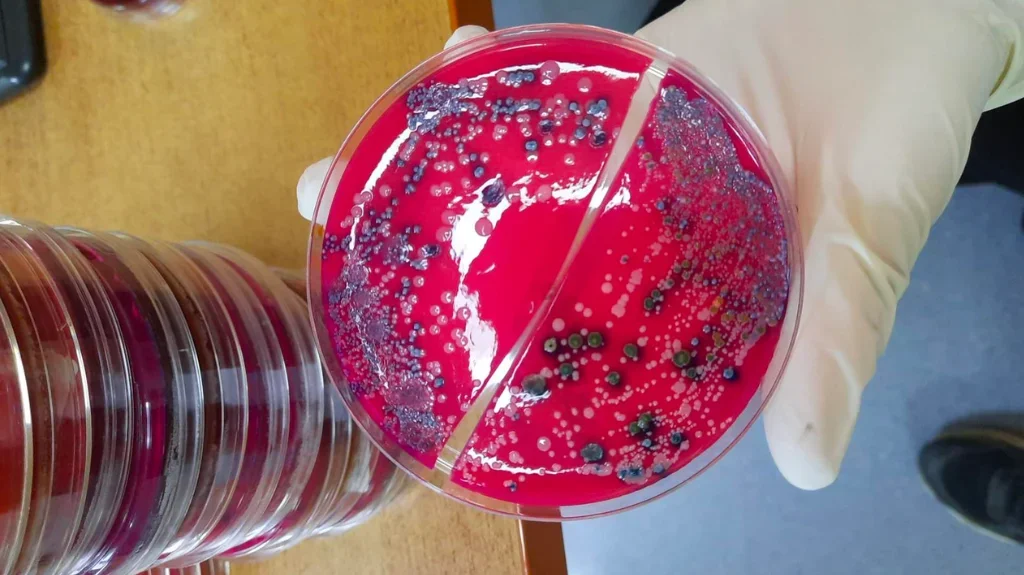
Andrology laboratories use specialized stains for sperm analysis and reproductive health assessments. These stains are used to determine and count the morphological characteristics of sperm cells. Microbiology laboratories, on the other hand, use stains to identify bacteria, fungi, and viruses. Specialized stains such as Gram stain and Ziehl-Neelsen stain are fundamental tools used to determine the type of bacterial organisms.
Bacteriology and Pathology Staining Sets
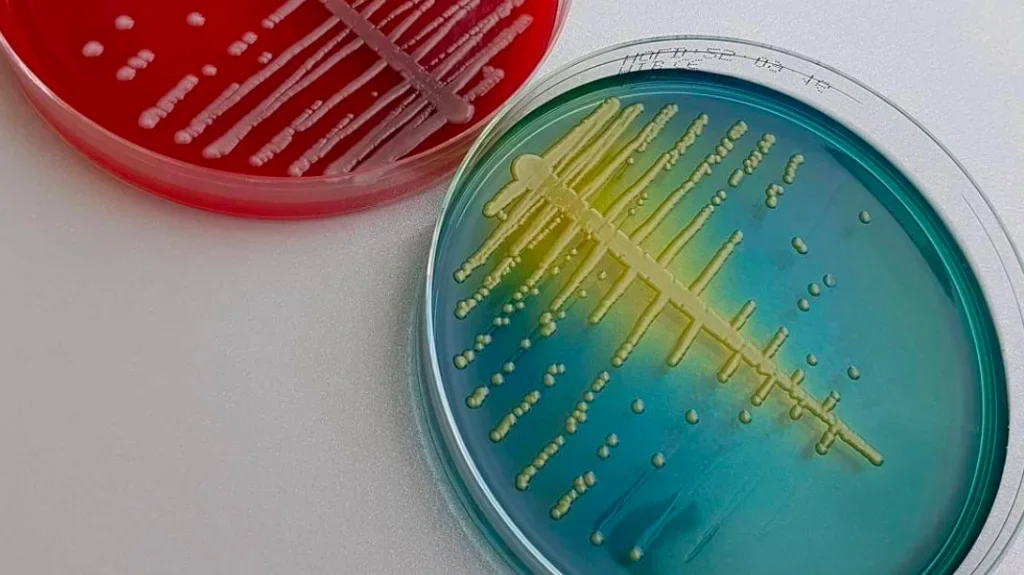
Bacteriology laboratories need staining sets to distinguish between various bacterial species and examine the structural characteristics of microorganisms. Various specialized staining sets, such as Gram staining sets and endospore staining sets, are used in bacteriological analyses. Pathology laboratories, on the other hand, examine tissue samples and diagnose diseases such as cancer. Specialized sets such as H&E staining sets and immunohistochemistry stains are used in the daily practice of pathology laboratories.
Parasitology and Cytology Staining Applications
Parasitology laboratories use specialized stains to detect the presence of parasites in materials such as blood, stool, and urine samples. Stains such as Giemsa stain are used to highlight parasite cells. Cytology laboratories, on the other hand, perform examinations at the cellular level. Papanicolaou staining sets are among the most commonly used staining sets in cytology laboratories. These sets play an important role in determining the morphological characteristics of cells.
Technological Advances and Future Perspectives
Technological advances in laboratory stains and staining sets come with benefits such as the development of automated systems, faster staining processes, and increased precision. Nanotechnology can play an important role in developing next-generation stains in this field. In addition, the use of specialized stains and staining sets in areas such as biomarker analysis and genetic diagnostics can take laboratory technologies even further.
Conclusion
Specialized stains and staining sets used in laboratories are fundamental tools in medical diagnosis and research. Companies operating in this field continuously develop new and improved products to adapt to the changing needs of laboratories. In the future, technological advances in this field are expected to make significant contributions to medical diagnostic processes by increasing the precision and speed of laboratory analyses.