Molecular Diagnostic Kit Manufacturing: Innovative Approaches
We examine how advances in PCR, nucleic acid sequencing, and immunological testing technologies are shaping the manufacturing of molecular diagnostic kits.
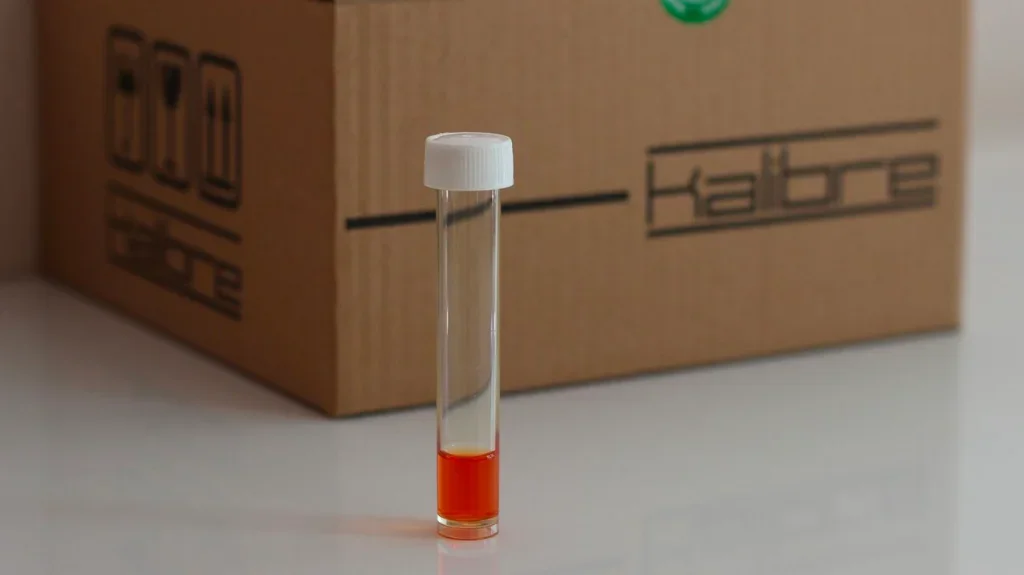
Molecular diagnostic kits are important tools used to diagnose diseases and determine treatment strategies by analyzing genetic material. Companies operating in this field make significant contributions to diagnostic and treatment processes by continuously developing innovative technologies. This article discusses the scientific approaches and future perspectives that matter for a company manufacturing molecular diagnostic kits.
Molecular Diagnostic Kits and Basic Principles
Molecular diagnostic kits typically work with a range of molecular biology techniques, including polymerase chain reaction (PCR), nucleic acid sequence analysis, and immunological tests. These techniques provide high sensitivity in identifying disease-specific genetic variations or protein levels. For example, detecting specific gene mutations in the diagnosis of cancer is a fundamental step in determining personalized treatment strategies.
Innovative Technological Approaches
Companies in the field of molecular diagnostic kit manufacturing continuously develop innovative technologies to make diagnostic processes faster, more precise, and more cost-effective. For example, next-generation sequencing technologies have made it possible to rapidly analyze many genes simultaneously. This allows diseases to be evaluated more comprehensively through multi-gene analysis.
In addition, advances in fields such as microfluidic systems and nanotechnology have enabled molecular diagnostic kits to become smaller in scale and more portable. This expands diagnostic capabilities in field work, emergency medicine, and resource-limited regions.
Personalized Treatment Strategies
Molecular diagnostic kits enable the determination of personalized treatment strategies based on the individual genetic profiles of diseases. This is an important step toward increasing treatment response and reducing side effects. For example, treating cancer patients with targeted drugs determined according to their tumor genetic profiles enables a more effective approach with fewer side effects compared to traditional chemotherapy.
Future Perspectives
Many developments are anticipated for the future of molecular diagnostic kit manufacturing. These include AI-assisted analysis systems, more effective discovery and use of molecular-level biomarkers, and next-generation sensor technologies. In addition, reducing costs to provide access to these technologies for wider patient groups has been set as an important goal.
Conclusion
Molecular diagnostic kit manufacturing is a field that continues to evolve alongside advances in biomedical research. By following scientific developments in this field and focusing on technological innovation, companies continue to contribute to the more effective identification and treatment of diseases. In the future, molecular diagnostic kits will enable faster and more personalized intervention in diseases, bringing about significant transformations in healthcare.