
Tube and Bottle Culture Media
Easy-to-sterilize culture media solutions offered in tube and bottle formats for the cultivation and isolation of microorganisms.
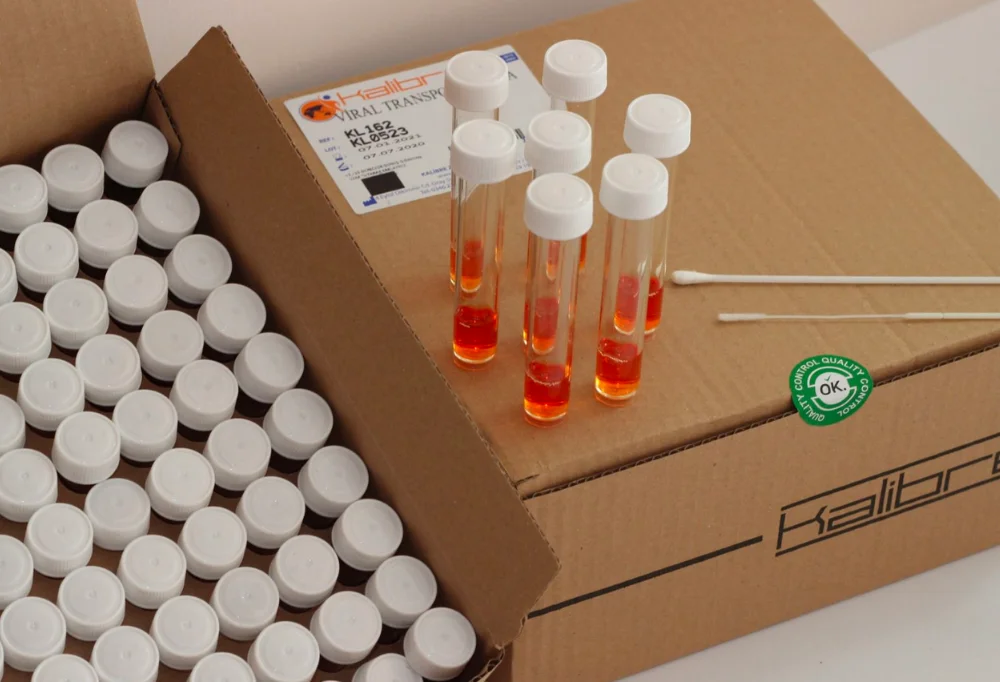
Microbiology is a branch of science that explores the world of microscopic organisms examined under the microscope. Culture media form the basis of work carried out in this important field. Culture media are special environments used for culturing, propagating, and examining microorganisms. In this article, we will focus on how culture media in tubes and bottles are used in microbiological research.
The Importance of Culture Media
Culture media are environments composed of agar, gelatin, or other special substances containing the nutrients necessary for the healthy growth and reproduction of microorganisms. These environments allow microbiologists to isolate, identify, and use various microorganisms in various experiments. Culture media play a fundamental role in many applications, such as understanding the properties of microorganisms, diagnosing diseases, and testing the effectiveness of drugs.
Use of Culture Media in Tubes
Culture media in tubes are widely used, especially for culturing bacteria and fungi. The advantages of tube culture media include ease of use and the ability of various microorganisms to successfully multiply in these environments. In addition, tube culture media are easy to sterilize, which contributes to obtaining reliable results in microbiological research.
Use of Culture Media in Bottles
Culture media in bottles are a type of culture medium preferred especially in laboratories working under special conditions. Bottle culture media enable microorganisms to be isolated from air and external factors. These culture media are used effectively in studies where bacteria and fungi may be transmitted especially through the air. The use of bottle culture media helps minimize the risk of contamination and obtain reliable results.
Considerations in Culture Medium Selection
Culture medium selection varies depending on the nature of the microbiological study being conducted. Factors to consider when making a selection include the needs of the microorganism, the special requirements of the working environment, and the type of experiment to be carried out. These factors enable researchers to select the right culture medium and obtain reliable results.
Conclusion
Culture media in tubes and bottles play an important role in microbiological research. These culture media provide ideal environments for the isolation and culturing of microorganisms, enabling their successful use in many applications. By selecting the right culture medium, microbiologists can obtain reliable and reproducible results in laboratory work. Culture media in tubes and bottles are indispensable tools for researchers seeking to make advances in microbiology.
Product Information
Would you like more information about this product?
Our expert team will be happy to answer your technical questions.
Contact Us